A question, a few seconds and an answer on the screen. For our children, getting hold of information is part of everyday life. Search engines, videos and artificial intelligence tools can explain a concept, work out a calculation or write a text almost instantly.
This ease opens up many possibilities and raises an important question for those of us who educate: what does learning mean when answers are always within reach?
Finding information is a starting point. Understanding it takes something more: connecting it to what we already know, checking whether it makes sense, putting it to the test and being able to explain it in our own words. That process needs curiosity, time and opportunities to think.
An answer can be the beginning
When a pupil asks why an object floats, we could give them an explanation straight away. We can also invite them to make a prediction, try different materials and observe what happens. The explanation will then have something to connect with: an experience, a surprise or an idea that needs revisiting.
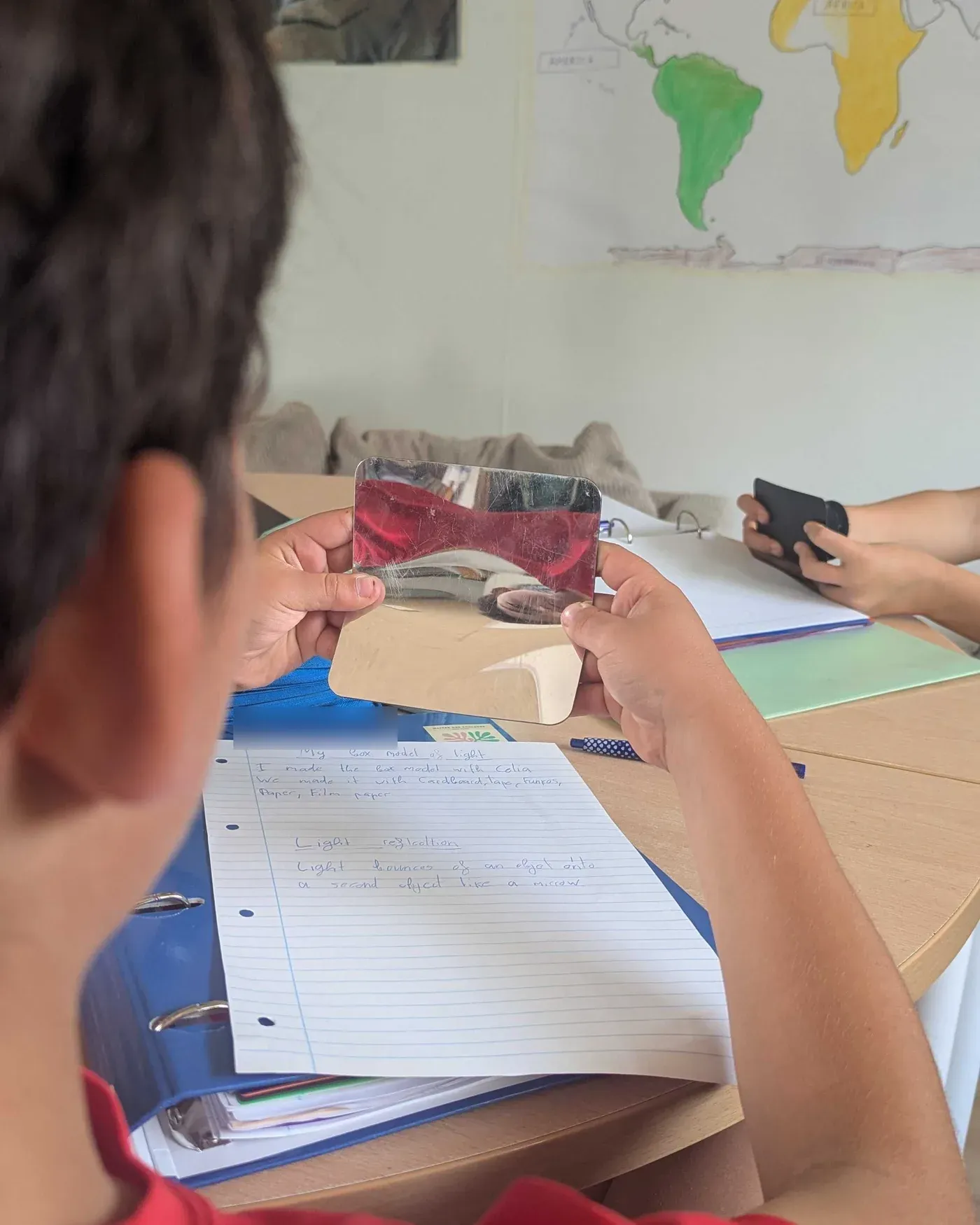
Something similar happens when we read a news story or consult an artificial intelligence tool. We can settle for the first answer or keep asking: where does this information come from? What evidence supports it? Is there another possible explanation?
Learning to ask these questions helps children build their own judgment. And that judgment is especially valuable in a world where a piece of information can seem convincing because of the way it is written or presented.
Giving doubt some time
Sometimes we adults also feel the need to answer right away. We want to help, avoid frustration or keep a task moving. Even so, it is worth watching what happens if we leave a little space before stepping in.
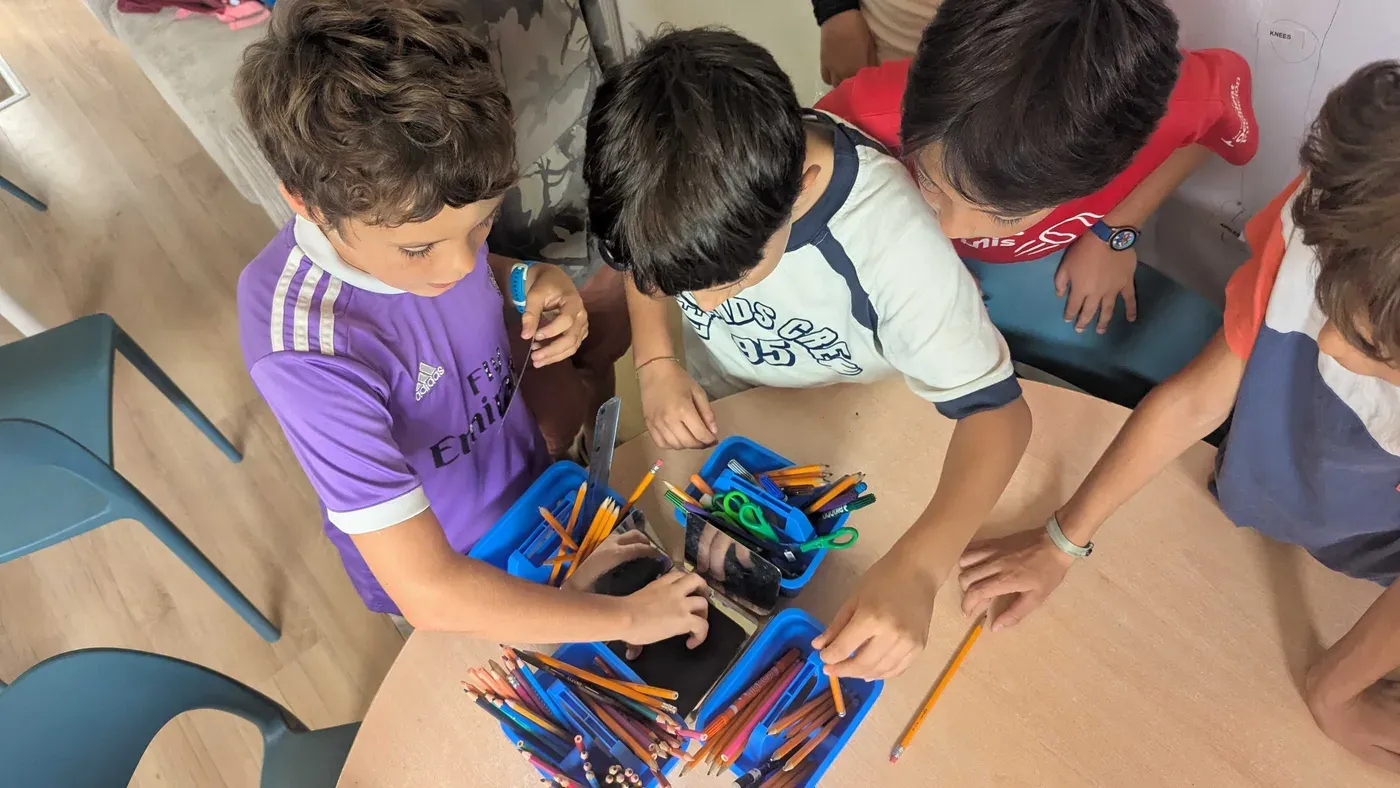
That time can allow a child to find a strategy, ask for help in a more specific way or discover where they went wrong. Our support is still needed: we can offer a clue, rephrase a question or bring a material closer without doing the whole journey for them.
We can also say “I don’t know” and look it up together. Showing how an adult checks a fact or changes their mind is an example of how people learn.
Technology needs judgment too
Artificial intelligence can offer explanations, suggest ideas and propose different ways of tackling a problem. To make the most of it, we need to learn to review what it suggests and decide when its help makes sense.
If a tool solves a task, it is worth asking what the pupil has understood along the way. Can they explain the reasoning? Would they spot a mistake? Could they apply what they have learned in a different situation?
These questions help us keep the educational purpose in view: that pupils build knowledge and autonomy while they learn to use the resources available to them.
Small conversations that open up possibilities
At home we can support this learning in everyday situations, without turning every conversation into a lesson. When talking about something they have seen, a piece of homework or a decision, we can ask:
- “What do you think?”
- “What makes you say that?”
- “How could we check it?”
- “Can you think of another way to do it?”
What matters is listening to their answers with interest and giving them room to develop them. Even a question as simple as “what surprised you today?” can open a conversation that would never have come up by only asking what they did in class.
At Dragón we believe in an education that makes room for curiosity, exploration and the exchange of ideas. An education in which pupils can take part, try out solutions and revisit their conclusions.
We want them to know how to look for answers and, when they find them, to have the confidence and the judgment to keep thinking.